
Goldfish Care & Basics | Filtration | Chemistry | More
Overview
First let me preface this article to point out that this is extremely basic information and that I recommend following the "further resources" provided within this article for much more in depth information, as well as these articles/resources:
• Freshwater Aquarium Care, Basics
• Aquarium Information, Resources
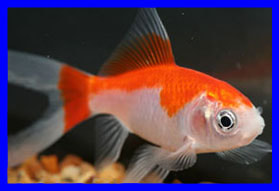
Many goldfish are imported in very cold water, in crowded conditions, making them very susceptible to disease (especially ich). Shubunkins make a better choice than common or comet Goldfish, as they receive better treatment in shipping and are not as "over bred" (and of course Ryukins and Orandas are great choices when it comes to their beauty).
Goldfish can sometimes live 20 years, but this is usually in Ponds. In a well-maintained aquarium of appropriate size (I recommend 8-10 gallons to start with and 20 + per goldfish for long term health and growth), 15+ years is not uncommon.
Here are a few more factors in determining the amount of goldfish you can keep in your aquarium: The amount of surface area relative to the gallons of water the aquarium holds. I have observed many tall narrow aquariums over the years of my maintenance service where the filtration and other factors were equal to comparable sized and stocked rectangular aquariums. These tall aquariums resulted in generally lesser fish health and longevity.
Filtration: A properly filtered aquarium (good bio filtration, good mechanical filtration, and good circulation) with multiple filters is important.
Maintenance schedule that includes regular efficient water changes.
Well maintained water chemistry (including kH and Redox). Goldfish need a kH of at least 80 ppm, but over 160 ppm is better. As well a GH of 200 or higher is best.
New or experienced aquarist; a new aquarist needs to start with a much less crowded aquarium.
As for goldfish in bowls, this is not an appropriate place to house any carp, which is the family to which goldfish belong. If a bowl is all you have or can afford, a betta, or even a paradise fish or guppy is a better choice.
Water Conditions - Chemistry: Although goldfish are not very particular about water conditions, they still do better at a ph of 7.0 to 7.8 (although I have successfully kept goldfish at lower & higher pH, so I would not worry too much about the pH number, rather pH stability).
A high mineral content is a must, especially important for Goldfish is a constant supply of positive calcium and magnesium ions. Generally providing a GH of 150 ppm plus (200-500 GH is best) will provide these minerals assuming very regular water changes and replenishment of these essential mineral ions.
However the positive ions of these minerals will become exhausted even when your test kit shows an adequate GH, especially when water changes do not keep up with replenishment of these mineral ions.
The use of Mineral Blocks such as Wonder Shells is strongly advised for goldfish for this reason).
Product Resource:
• Unique AAP Wonder Shell; Aquarium Mineral Ion Replenishing Block
A KH of 100 ppm or more is useful for pH stability and providing the higher carbonate water goldfish generally prefer.
For more about the importance KH, GH, electrolytes and Calcium play in fish heath - especially goldfish health, see this article:
• What is correct Aquarium Chemistry
For the chemistry as it pertains to organic waste and the water parameters there of; for optimum health of goldfish, I recommend keeping an ammonia/nitrites level of .25- 0, and nitrates below 50 ppm.
Further Nitrates Reference:
• Aquarium Answers- Nitrates
Keep in mind that excess organic wastes can also affect your pH/KH, so even if your ammonia and nitrites are near 0, a problematic nitrate level can result in problems with pH and KH stability.
Please Read this article for more (in particular the FAQ Section):
• The Aquarium Nitrogen Cycle
Excess organics, which is common to goldfish aquariums due to their higher impact on bio load when compared to many other fish, can often lead to higher nitrates and lower KH. The result can be "Yellow Water" which in itself is not necessarily a problem but can be an indicator of unstable KH/pH and rising nitrate.
Please read:
• Yellow Water- Freshwater Basics
Another parameter of chemistry (not often considered) for long term health and growth is maintaining a Balanced Redox Potential, although not considered essential, newer evidence seems to refute this line of thought. As well, dirty fish such as goldfish normally do much better in ponds where there is natural sunlight and good water flow, this is proven to be large contributor to long term goldfish health in aquariums.
For more about the Redox Potential, please read this article:
• The Redox Potential in Aquariums and Ponds and how it relates to proper aquatic health
• Freshwater Aquarium Care, Basics
• Aquarium Information, Resources
Many goldfish are imported in very cold water, in crowded conditions, making them very susceptible to disease (especially ich). Shubunkins make a better choice than common or comet Goldfish, as they receive better treatment in shipping and are not as "over bred" (and of course Ryukins and Orandas are great choices when it comes to their beauty).
Goldfish can sometimes live 20 years, but this is usually in Ponds. In a well-maintained aquarium of appropriate size (I recommend 8-10 gallons to start with and 20 + per goldfish for long term health and growth), 15+ years is not uncommon.
Here are a few more factors in determining the amount of goldfish you can keep in your aquarium: The amount of surface area relative to the gallons of water the aquarium holds. I have observed many tall narrow aquariums over the years of my maintenance service where the filtration and other factors were equal to comparable sized and stocked rectangular aquariums. These tall aquariums resulted in generally lesser fish health and longevity.
Filtration: A properly filtered aquarium (good bio filtration, good mechanical filtration, and good circulation) with multiple filters is important.
Maintenance schedule that includes regular efficient water changes.
Well maintained water chemistry (including kH and Redox). Goldfish need a kH of at least 80 ppm, but over 160 ppm is better. As well a GH of 200 or higher is best.
New or experienced aquarist; a new aquarist needs to start with a much less crowded aquarium.
As for goldfish in bowls, this is not an appropriate place to house any carp, which is the family to which goldfish belong. If a bowl is all you have or can afford, a betta, or even a paradise fish or guppy is a better choice.
Water Conditions - Chemistry: Although goldfish are not very particular about water conditions, they still do better at a ph of 7.0 to 7.8 (although I have successfully kept goldfish at lower & higher pH, so I would not worry too much about the pH number, rather pH stability).
A high mineral content is a must, especially important for Goldfish is a constant supply of positive calcium and magnesium ions. Generally providing a GH of 150 ppm plus (200-500 GH is best) will provide these minerals assuming very regular water changes and replenishment of these essential mineral ions.
However the positive ions of these minerals will become exhausted even when your test kit shows an adequate GH, especially when water changes do not keep up with replenishment of these mineral ions.
The use of Mineral Blocks such as Wonder Shells is strongly advised for goldfish for this reason).
Product Resource:
• Unique AAP Wonder Shell; Aquarium Mineral Ion Replenishing Block
A KH of 100 ppm or more is useful for pH stability and providing the higher carbonate water goldfish generally prefer.
For more about the importance KH, GH, electrolytes and Calcium play in fish heath - especially goldfish health, see this article:
• What is correct Aquarium Chemistry
For the chemistry as it pertains to organic waste and the water parameters there of; for optimum health of goldfish, I recommend keeping an ammonia/nitrites level of .25- 0, and nitrates below 50 ppm.
Further Nitrates Reference:
• Aquarium Answers- Nitrates
Keep in mind that excess organic wastes can also affect your pH/KH, so even if your ammonia and nitrites are near 0, a problematic nitrate level can result in problems with pH and KH stability.
Please Read this article for more (in particular the FAQ Section):
• The Aquarium Nitrogen Cycle
Excess organics, which is common to goldfish aquariums due to their higher impact on bio load when compared to many other fish, can often lead to higher nitrates and lower KH. The result can be "Yellow Water" which in itself is not necessarily a problem but can be an indicator of unstable KH/pH and rising nitrate.
Please read:
• Yellow Water- Freshwater Basics
Another parameter of chemistry (not often considered) for long term health and growth is maintaining a Balanced Redox Potential, although not considered essential, newer evidence seems to refute this line of thought. As well, dirty fish such as goldfish normally do much better in ponds where there is natural sunlight and good water flow, this is proven to be large contributor to long term goldfish health in aquariums.
For more about the Redox Potential, please read this article:
• The Redox Potential in Aquariums and Ponds and how it relates to proper aquatic health
Filtration
Since Goldfish tend to be “dirty fish” by popular definition; Good filtration and water circulation is a must (along with regular proper water changes). By the term "dirty", what is more correct is that having slow and inefficient digestive systems that require more food per ounce of fish weight, and the fact goldfish tend to be constant grazers that root around substrate, goldfish simply make more mess and add more to the bio load. Regardless of the term used to describe this (I prefer 'higher impact on bio load' over 'dirty fish'), the point of higher bio load impact by goldfish remains a testable fact!
Back to filtration, make sure to have good surface agitation of the aquarium water whether this is achieved by an air stone, the agitation provided by an HOB Filter, air diffuser in an Internal Filter, or Sponge Filter powered by air (or with a Power Head with an air diffuser), or similar. More than one filter is good for all fish. However, this goes double for goldfish.
Product Resource:
• HOB Filters
Canister filters can be very useful for goldfish, due to their high efficiency and great bio load and mechanical filtration abilities (although make sure to clean them regularly, or they become nitrate factories). Unfortunately, they are generally expensive & cumbersome and based on my aquarium maintenance company house calls and many emails, seem to be a filter that also gives many aquarium keepers trouble (so they are definitely not for everyone).
Back to filtration, make sure to have good surface agitation of the aquarium water whether this is achieved by an air stone, the agitation provided by an HOB Filter, air diffuser in an Internal Filter, or Sponge Filter powered by air (or with a Power Head with an air diffuser), or similar. More than one filter is good for all fish. However, this goes double for goldfish.
Product Resource:
• HOB Filters
Canister filters can be very useful for goldfish, due to their high efficiency and great bio load and mechanical filtration abilities (although make sure to clean them regularly, or they become nitrate factories). Unfortunately, they are generally expensive & cumbersome and based on my aquarium maintenance company house calls and many emails, seem to be a filter that also gives many aquarium keepers trouble (so they are definitely not for everyone).
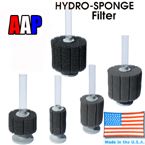
Although a well-known filter among breeders and many professionals, but unfortunately less known among many hobbyists; the Sponge Filters with the Patented Hydro Sponge Filters leading the way are an excellent choice for Goldfish due to their high bio filtration capacity. Since Goldfish can produce a higher bio load compared to similar sized fish, I suggest a larger size such as the Hydro Sponge #5 for a 40-gallon aquarium.
Product Resource:
• Sponge Filters- Premium Hydro Sponge
In controlled test these filters actually outperform many of the popular aquarium power filters such as the Penguin in biological capacity (which is important for dirty fish such as Goldfish) and their low cost make them a great value.
I would recommend ANY BEGINNER that has purchased or received aquarium starter kit form many of the “big box” retailers such as Walmart trash the filters that come with these sets and purchase a Sponge Filter, Sponge Filter Kit or Sponge Filter/Power Filter combination. In fact, a combination of “hang on back” filters (such as the Super Clean, SunSun HBL Filters or Aqua Clear) and Sponge Filters are an excellent filter combination usually for less money.
Product Resource:
• Aquarium Sponge Filter Kits
Product Resource:
• Sponge Filters- Premium Hydro Sponge
In controlled test these filters actually outperform many of the popular aquarium power filters such as the Penguin in biological capacity (which is important for dirty fish such as Goldfish) and their low cost make them a great value.
I would recommend ANY BEGINNER that has purchased or received aquarium starter kit form many of the “big box” retailers such as Walmart trash the filters that come with these sets and purchase a Sponge Filter, Sponge Filter Kit or Sponge Filter/Power Filter combination. In fact, a combination of “hang on back” filters (such as the Super Clean, SunSun HBL Filters or Aqua Clear) and Sponge Filters are an excellent filter combination usually for less money.
Product Resource:
• Aquarium Sponge Filter Kits
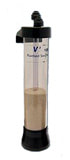
For top notch bio filtration capacity, the newest generation Fluidized Bed Filters are difficult to beat.
The TMC #600 has 10 lbs. of Bio-Load (fish, etc.) capacity, which is far more than any filter even remotely close in size has the ability to handle!!! I personally ran older generation LifeGuard Fluidized Filters on several goldfish tanks with vastly better results than previous filter, and these we not as good as the newer generation TMC Fluidized Sand Bed filter.
Product Resource:
• TMC Newest Generation Fluidized Sand Bed filter
Another inexpensive filter is the Internal Filter which is especially good as secondary filters do to the fact that these filters add cross circulation. I also recommend two filters, if possible, for both redundancy and water circulation. Good filtration and cleaning are a must (along with proper GH/electrolyte and kH).
A key point is that adequate and redundant filtration is a must for goldfish.
For much more about Filtration, please read this article:
• AQUARIUM FILTRATION; Filter Reviews, Use, Troubleshooting
• Or Freshwater Set Up Suggestions
The TMC #600 has 10 lbs. of Bio-Load (fish, etc.) capacity, which is far more than any filter even remotely close in size has the ability to handle!!! I personally ran older generation LifeGuard Fluidized Filters on several goldfish tanks with vastly better results than previous filter, and these we not as good as the newer generation TMC Fluidized Sand Bed filter.
Product Resource:
• TMC Newest Generation Fluidized Sand Bed filter
Another inexpensive filter is the Internal Filter which is especially good as secondary filters do to the fact that these filters add cross circulation. I also recommend two filters, if possible, for both redundancy and water circulation. Good filtration and cleaning are a must (along with proper GH/electrolyte and kH).
A key point is that adequate and redundant filtration is a must for goldfish.
For much more about Filtration, please read this article:
• AQUARIUM FILTRATION; Filter Reviews, Use, Troubleshooting
• Or Freshwater Set Up Suggestions
Substrate
Many goldfish purists will tell you that goldfish should be kept in bare bottom aquariums for optimum health. They are correct, however in my years of experience, with the right size gravel and good aquarium hygiene (cleaning), you can also have healthy, long-lived goldfish.
There are three reasons in my experience: What can happen is that the goldfish can, and often do, (with the wrong size gravel) get gravel caught in their throat as they root through the gravel for leftover food.
Another reason is that that goldfish can eat decaying food that then causes intestinal bacterial infections.
Further Reference:
• Aeromonas- Gram Negative Bacteria
Finally, since goldfish are very dirty by nature, gravel can trap a lot of organics causing pollution (which is why Under Gravel Filters are a very poor choice for goldfish).
Here is how to get around this and have a beautiful goldfish aquarium WITH gravel and decorations:
• Use pea sized gravel (or larger); I have not yet seen any goldfish in MANY years of experience get pea sized gravel stuck in their throat.
• Do not over feed, and have good circulation, especially near the bottom. I have improved water conditions in even crowded feeder goldfish tanks with the addition of air stones attached to air pumps placed strategically on the bottom.
• Do not use sand either as this has a tendency to trap anaerobic bacteria and not allow proper nitrification of organic mulm in goldfish aquariums.
With pea sized or larger gravel; getting gravel stick in a goldfish' throat is very rare. Should you suspect this, the symptoms are a fish not eating along with an open mouth and gagging (with the gravel obvious in the open mouth when viewed in good light). Removing and gently holding the goldfish in your hands and then using small tweezers is the best way from my experience to remove gravel (I also 'lubricated' my hands with a water conditioner such as Prime to lessen stress on the fish' slime coat)
See this article for more about Aquarium Gravel:
• Aquarium Gravel- Substrate
There are three reasons in my experience: What can happen is that the goldfish can, and often do, (with the wrong size gravel) get gravel caught in their throat as they root through the gravel for leftover food.
Another reason is that that goldfish can eat decaying food that then causes intestinal bacterial infections.
Further Reference:
• Aeromonas- Gram Negative Bacteria
Finally, since goldfish are very dirty by nature, gravel can trap a lot of organics causing pollution (which is why Under Gravel Filters are a very poor choice for goldfish).
Here is how to get around this and have a beautiful goldfish aquarium WITH gravel and decorations:
• Use pea sized gravel (or larger); I have not yet seen any goldfish in MANY years of experience get pea sized gravel stuck in their throat.
• Do not over feed, and have good circulation, especially near the bottom. I have improved water conditions in even crowded feeder goldfish tanks with the addition of air stones attached to air pumps placed strategically on the bottom.
• Do not use sand either as this has a tendency to trap anaerobic bacteria and not allow proper nitrification of organic mulm in goldfish aquariums.
With pea sized or larger gravel; getting gravel stick in a goldfish' throat is very rare. Should you suspect this, the symptoms are a fish not eating along with an open mouth and gagging (with the gravel obvious in the open mouth when viewed in good light). Removing and gently holding the goldfish in your hands and then using small tweezers is the best way from my experience to remove gravel (I also 'lubricated' my hands with a water conditioner such as Prime to lessen stress on the fish' slime coat)
See this article for more about Aquarium Gravel:
• Aquarium Gravel- Substrate
Basic Cleaning
Regular water changes are a must! A small 20% change once per week is best (sometimes larger less frequent changes can be performed as per one’s busy schedule). Regular cleanings with a Gravel Vacuum, Python is the best way to perform these water changes.
Further Reference:
• Aquarium Cleaning, Reasons, Methods
In between sludge/mulm removal with a Eheim Sludge Remover Battery Gravel Vacuum can also be helpful.
Product Resources:
• Lees Gravel Vac
• Eheim Sludge/Detritus Extractor Battery Gravel Vacuum
I recommend every two weeks for tanks under 60 gallons (225 liters), or every 4 weeks for larger. Please note that more frequent smaller cleanings are best for ANY size aquarium, such as 20% every week. The use of products such as SeaChem Prime after/during the addition of new tap water is strongly suggested to remove chlorine/ chloramines, ammonia/ nitrite neutralization, and aid in fish stress (via addition of electrolytes which a fresh Wonder Shell help with as well).
Product Resource:
• Prime- Professional Aquarium Water Conditioner
Make sure the water is of similar pH and temperature and has no chlorine or chloramines when you add it to your aquarium.
Further References:
• Tap Water Use in Aquarium- Chlorine, Chloramines
• Aquarium Nitrogen Cycle- High Ammonia
Remember, goldfish produce a higher bio load than many other fish and can grow up to 12” or more. With this in mind, house them in an appropriate aquarium for good health and long life. Even if you start out with a 10-gallon aquarium, I recommend moving up to a 45–60-gallon aquarium as soon as possible.
Further References:
• Bio Load in Aquarium or Pond
• AQUARIUM CLEANING- Reasons and methods for water changes
Further Reference:
• Aquarium Cleaning, Reasons, Methods
In between sludge/mulm removal with a Eheim Sludge Remover Battery Gravel Vacuum can also be helpful.
Product Resources:
• Lees Gravel Vac
• Eheim Sludge/Detritus Extractor Battery Gravel Vacuum
I recommend every two weeks for tanks under 60 gallons (225 liters), or every 4 weeks for larger. Please note that more frequent smaller cleanings are best for ANY size aquarium, such as 20% every week. The use of products such as SeaChem Prime after/during the addition of new tap water is strongly suggested to remove chlorine/ chloramines, ammonia/ nitrite neutralization, and aid in fish stress (via addition of electrolytes which a fresh Wonder Shell help with as well).
Product Resource:
• Prime- Professional Aquarium Water Conditioner
Make sure the water is of similar pH and temperature and has no chlorine or chloramines when you add it to your aquarium.
Further References:
• Tap Water Use in Aquarium- Chlorine, Chloramines
• Aquarium Nitrogen Cycle- High Ammonia
Remember, goldfish produce a higher bio load than many other fish and can grow up to 12” or more. With this in mind, house them in an appropriate aquarium for good health and long life. Even if you start out with a 10-gallon aquarium, I recommend moving up to a 45–60-gallon aquarium as soon as possible.
Further References:
• Bio Load in Aquarium or Pond
• AQUARIUM CLEANING- Reasons and methods for water changes
Cycling Aquarium
It is important to have a fully functional bio filtration system running, so you should start your aquarium and have it running before fish introduction.
Your aquarium will not be at peak biological filtration for at least 6 weeks. To start your biological filtration, there are many cycling products available, such “Cycle” by Hagen. My success with these products is NOT at all good; it is very difficult for the aerobic bacteria that are needed for cycling your aquarium to live in a sealed container kept at room temperature, as they die very quickly without oxygen.
A better choice for a “synthetic” cycling product would be SeaChem Stability, and even with this product I would recommend its use to compliment other cycling methods such as the seasoned media/gravel method or for use in sudden increases in bio loads (such as over feeding).
Product Resource:
• SeaChem Stability- Premium Aquarium Cycling Aid
I prefer to add gravel and/or used filter sponge or cartridge from another aquarium. This method of adding media is much faster (you still have to take it slow), and provides all the necessary bacteria, the only negative is adding disease pathogens to your aquarium, but I have rarely encountered this problem.
If you add plants (many such as hornwort remove nitrogenous waste), you can stock somewhat faster as the plants will remove ammonia too. We used this method for our Aquarium Maintenance route for years and never lost a fish to Ammonia or nitrite poisoning.
Another newer method is with Bio Spira, if you use this product, make sure you purchase it from a dealer that keeps it between 34- 40 F otherwise this product is no better than Cycle. My personal experience with this product is limited, however many I trust in the Professional Aquarium maintenance field and elsewhere have reported mixed reviews of this product.
For MUCH more information about the cycling and the Nitrogen Cycle (including other fishless cycling methods), please read this article:
• Nitrogen Cycle and Aquarium Cycling
Your aquarium will not be at peak biological filtration for at least 6 weeks. To start your biological filtration, there are many cycling products available, such “Cycle” by Hagen. My success with these products is NOT at all good; it is very difficult for the aerobic bacteria that are needed for cycling your aquarium to live in a sealed container kept at room temperature, as they die very quickly without oxygen.
A better choice for a “synthetic” cycling product would be SeaChem Stability, and even with this product I would recommend its use to compliment other cycling methods such as the seasoned media/gravel method or for use in sudden increases in bio loads (such as over feeding).
Product Resource:
• SeaChem Stability- Premium Aquarium Cycling Aid
I prefer to add gravel and/or used filter sponge or cartridge from another aquarium. This method of adding media is much faster (you still have to take it slow), and provides all the necessary bacteria, the only negative is adding disease pathogens to your aquarium, but I have rarely encountered this problem.
If you add plants (many such as hornwort remove nitrogenous waste), you can stock somewhat faster as the plants will remove ammonia too. We used this method for our Aquarium Maintenance route for years and never lost a fish to Ammonia or nitrite poisoning.
Another newer method is with Bio Spira, if you use this product, make sure you purchase it from a dealer that keeps it between 34- 40 F otherwise this product is no better than Cycle. My personal experience with this product is limited, however many I trust in the Professional Aquarium maintenance field and elsewhere have reported mixed reviews of this product.
For MUCH more information about the cycling and the Nitrogen Cycle (including other fishless cycling methods), please read this article:
• Nitrogen Cycle and Aquarium Cycling
Basic Feeding
|
|
Goldfish also are basically “grazing fish” and need to be fed frequent small amounts of fish food that are not made from animal-based products.
It is noteworthy that one part of the reason goldfish are considered "dirty" (high bio-load impact is a better term as noted earlier) is the diets goldfish are generally fed have a lot more "filler" ingredients. This is not to say these "fillers" are bad either as goldfish are better thought of as cattle in the type of diet and way they feed, so feeding a goldfish a diet intended for a much more carnivorous fish would be no different than feeding cattle cat food!!!
Goldfish do well on foods high in vegetable-based proteins (such as spirulina); they need a high fat content and Vitamins C & E, and carotenoid for color enhancement. DL-methionine is an essential amino acid for producing the “Lionhead” feature in goldfish. High levels of methionine can be found in the vegetable proteins of spinach, green peas, and garlic. DL-methionine can also be found in fish meal. Although you should not resort to feeding only peas as some do, this is not complete and can lead to digestive problems if fed long term. Spirulina Algae, Vegetable protein extracts and Whole fish meal are ingredients to look for in a goldfish food.
Also being “grazing fish” goldfish like to root around in the gravel. Because of this be careful with leftover food in the gravel as this can lodge in a goldfish’ intestinal tract or mouth. I strongly recommend soaking all dry food in water for 5 minutes prior to feeding; this will soften the food and also prevent intestinal gas that can lead to infections.
A general rule for feeding goldfish (assuming good water conditions, filtration, etc.) is two to three times per day what the fish will consume in about 3-5 minutes. What is important to note (as I noted earlier) is since goldfish are basically vegetarian grazers with long digestive tracts; goldfish do best with frequent small feedings vs. less frequent larger feedings. With this point in mind, I recommend feeding even four times or more VERY SMALL amounts when dealing with weak or young goldfish.
Some goldfish aficionados recommend goldfish should be kept in aquariums without gravel to prevent accidental ingestion. Personally, with proper feeding technique and good aquatic husbandry I do not think this is generally necessary.
It is noteworthy that one part of the reason goldfish are considered "dirty" (high bio-load impact is a better term as noted earlier) is the diets goldfish are generally fed have a lot more "filler" ingredients. This is not to say these "fillers" are bad either as goldfish are better thought of as cattle in the type of diet and way they feed, so feeding a goldfish a diet intended for a much more carnivorous fish would be no different than feeding cattle cat food!!!
Goldfish do well on foods high in vegetable-based proteins (such as spirulina); they need a high fat content and Vitamins C & E, and carotenoid for color enhancement. DL-methionine is an essential amino acid for producing the “Lionhead” feature in goldfish. High levels of methionine can be found in the vegetable proteins of spinach, green peas, and garlic. DL-methionine can also be found in fish meal. Although you should not resort to feeding only peas as some do, this is not complete and can lead to digestive problems if fed long term. Spirulina Algae, Vegetable protein extracts and Whole fish meal are ingredients to look for in a goldfish food.
Also being “grazing fish” goldfish like to root around in the gravel. Because of this be careful with leftover food in the gravel as this can lodge in a goldfish’ intestinal tract or mouth. I strongly recommend soaking all dry food in water for 5 minutes prior to feeding; this will soften the food and also prevent intestinal gas that can lead to infections.
A general rule for feeding goldfish (assuming good water conditions, filtration, etc.) is two to three times per day what the fish will consume in about 3-5 minutes. What is important to note (as I noted earlier) is since goldfish are basically vegetarian grazers with long digestive tracts; goldfish do best with frequent small feedings vs. less frequent larger feedings. With this point in mind, I recommend feeding even four times or more VERY SMALL amounts when dealing with weak or young goldfish.
Some goldfish aficionados recommend goldfish should be kept in aquariums without gravel to prevent accidental ingestion. Personally, with proper feeding technique and good aquatic husbandry I do not think this is generally necessary.
It is also noteworthy that goldfish are not high energy fish, yet most goldfish diets have far too many "energy points" (as established in a University of Florida study), that can eventually result in fatty livers, bloating and other issues. Fish Food guru Clay Neighbors has addressed this in his custom fish food crumbles sold as "AAP Custom".
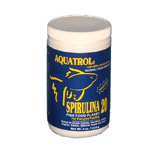
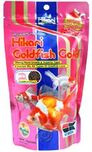
Be careful of foods such as TetraFin that are of poor quality as the ingredients will tend to cause excess gas and excess pollution due to many un-digestible ingredients. For young or weak goldfish, I recommend Spirulina 20 flake food as PART of their diet along with quality pellets or crumble diets such as the top-notch AAP Custom Herbivore Crumbles, Hikari Goldfish Gold, Sanyu Goldfish Pellets, Pro Gold, or other high quality pelleted goldfish foods for adult and sub-adult goldfish.
Product Resources:
• Spirulina 20- Highly Digestible Spirulina based Fish Food
• AAP Custom Hervivore Crumbles, by Clay Neighbors
• Hikari Gold Goldfish Pellets
For more information about proper fish feeding, see these articles:
• QUALITY FISH FOOD; What Ingredients are Needed for Proper Fish Nutrition
• Goldfish Feeding
Be careful of foods such as TetraFin that are of poor quality as the ingredients will tend to cause excess gas and excess pollution due to many un-digestible ingredients. For young or weak goldfish, I recommend Spirulina 20 flake food as PART of their diet along with quality pellets or crumble diets such as the top-notch AAP Custom Herbivore Crumbles, Hikari Goldfish Gold, Sanyu Goldfish Pellets, Pro Gold, or other high quality pelleted goldfish foods for adult and sub-adult goldfish.
Product Resources:
• Spirulina 20- Highly Digestible Spirulina based Fish Food
• AAP Custom Hervivore Crumbles, by Clay Neighbors
• Hikari Gold Goldfish Pellets
For more information about proper fish feeding, see these articles:
• QUALITY FISH FOOD; What Ingredients are Needed for Proper Fish Nutrition
• Goldfish Feeding
Disease Prevention
I will not go into depth in this article about disease prevention other to say that the old adage of “an ounce of prevention is worth a pound of cure” is very true for goldfish (and all fish). I personally have resisted adding disease charts as these proliferate all over the internet, many are very “cookie cutter” in their descriptions. I feel first understanding prevention methods followed then by a knowledge of antibiotics, chemical treatments, and organic treatments will go much further in treatment and disease prevention than a disease chart that has a one size fits all approach.
For Disease Prevention, this is a MUST-READ article:
• Aquarium Fish Disease Prevention
For Aquarium Medications/Treatments, please read this article:
• How Aquatic Medications/Treatments Work
For Disease Prevention, this is a MUST-READ article:
• Aquarium Fish Disease Prevention
For Aquarium Medications/Treatments, please read this article:
• How Aquatic Medications/Treatments Work
Basic Breeding
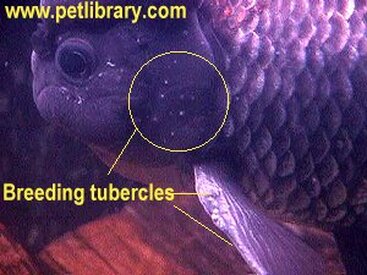
Sexing goldfish is very difficult before they reach sexual maturity. One way to tell is by looking at the shape of the vent. Females may have rounder convex vents while males have thinner concave vents. The pectoral fins of males may be rather thick and stiff (compared to those of female goldfish) and with a more pronounced outer ray. Another way to tell is by male goldfish will developing breeding stars on their gill covers and along the first ray of their pectoral fins when they are ready to breed.
Most goldfish are bred in ponds, and that is where my experience (and much success as well) have been. This said goldfish can be bred indoors I would just recommend duplicating pond conditions as much as possible.
With ponds I have had success with regular, shubunkins and other fancies in ponds down to 150 gallons (and smaller may be possible, but I have never attempted this). What is key is the right conditions from temperature to environment.
As to temperature the generally accepted prime breeding temperature is 68 F (20 C), although breeding can happen anywhere from 50 to 80 F (10 -26 C). What I feel is more important as to temperature is to slowly lower your pond or aquarium and then bring your aquarium/pond back up to around 68 F (often this works well naturally in the spring as to ponds).
The other aspect I feel is important based on my successes (and failures) is an environment with a LOT of plant roots for the goldfish to lay eggs in and the fry to hide in, feed in, and grow in. In ponds I used Water Iris which had a very good root structure and heavy strong growth above the water. These roots also encouraged the growth of many small insect larvae for fish to feed on as well.
In an aquarium I would suggest Purple Waffle, Aluminum Plant or Peace Lilies. These plants generally grow good root structures indoors as long as proper nutrients are in the water and there is adequate lighting.
Further Lighting Information:
• Aquarium Lighting
T2, T5, CFL, LED and many other high output lights that have at least a major output in the 6400 K range should work (the GroBeam LED followed by the SHO would be my first/second choice though).
Product Resources:
• AAP GroBeam Ultra Premium 5 Year Warranty LED Lights
• SHO Aquarium Lamps, Fixtures
I would recommend reading this article about aquarium plants for more information here:
• Planted Freshwater Aquariums
Once eggs are laid the temperature of the tank will determine the incubation period generally 5 days at 70 F and 7 days at 65 F. In an aquarium it is probably best to remove them is possible and treat this tank (a ten gallon should work well for this) with Methylene Blue to prevent egg fungus (white and/or pearl color) eggs will not be fertilized and need to be removed). In ponds I occasionally added Methylene Blue, but I never felt the need to remove the eggs due to very extensive root structures for the eggs. If you can achieve this in an aquarium, this may spare you this exercise as well.
Product Resource:
• Kordon Methylene Blue from AAP
The eggs will begin to hatch in about 2 days at the above temperature range. When the goldfish fry have hatched do not change the water with anything other than an air line tube so as to avoid harming any delicate fry, and as well make sure that no scum is on the top of the water, so you need a small air stone to aerate the water as newly hatched goldfish fry are very sensitive to low dissolved oxygen levels and high water surface tension (a paper towel floated on the surface of the water can remove some organic based scum).
• After hatching this time, you need to raise the heater about two degrees more in aquariums (in ponds this is not necessary/possible).
• After ten days you will need to start feeding them three times a day with baby brine shrimp, ground up hardboiled egg yolks and/or can give powdered Spirulina 20 flake food. Make sure ALL food is consumed and that any residual food is gently siphoned off the bottom of the grow out tank using a small diameter siphon such as air line tubing.
Product Resources:
• Spirulina 20 Fish Food Flake
• Aquarium Air line tubing
Here is a link to another site with further goldfish breeding information:
• Sexing Goldfidh
Most goldfish are bred in ponds, and that is where my experience (and much success as well) have been. This said goldfish can be bred indoors I would just recommend duplicating pond conditions as much as possible.
With ponds I have had success with regular, shubunkins and other fancies in ponds down to 150 gallons (and smaller may be possible, but I have never attempted this). What is key is the right conditions from temperature to environment.
As to temperature the generally accepted prime breeding temperature is 68 F (20 C), although breeding can happen anywhere from 50 to 80 F (10 -26 C). What I feel is more important as to temperature is to slowly lower your pond or aquarium and then bring your aquarium/pond back up to around 68 F (often this works well naturally in the spring as to ponds).
The other aspect I feel is important based on my successes (and failures) is an environment with a LOT of plant roots for the goldfish to lay eggs in and the fry to hide in, feed in, and grow in. In ponds I used Water Iris which had a very good root structure and heavy strong growth above the water. These roots also encouraged the growth of many small insect larvae for fish to feed on as well.
In an aquarium I would suggest Purple Waffle, Aluminum Plant or Peace Lilies. These plants generally grow good root structures indoors as long as proper nutrients are in the water and there is adequate lighting.
Further Lighting Information:
• Aquarium Lighting
T2, T5, CFL, LED and many other high output lights that have at least a major output in the 6400 K range should work (the GroBeam LED followed by the SHO would be my first/second choice though).
Product Resources:
• AAP GroBeam Ultra Premium 5 Year Warranty LED Lights
• SHO Aquarium Lamps, Fixtures
I would recommend reading this article about aquarium plants for more information here:
• Planted Freshwater Aquariums
Once eggs are laid the temperature of the tank will determine the incubation period generally 5 days at 70 F and 7 days at 65 F. In an aquarium it is probably best to remove them is possible and treat this tank (a ten gallon should work well for this) with Methylene Blue to prevent egg fungus (white and/or pearl color) eggs will not be fertilized and need to be removed). In ponds I occasionally added Methylene Blue, but I never felt the need to remove the eggs due to very extensive root structures for the eggs. If you can achieve this in an aquarium, this may spare you this exercise as well.
Product Resource:
• Kordon Methylene Blue from AAP
The eggs will begin to hatch in about 2 days at the above temperature range. When the goldfish fry have hatched do not change the water with anything other than an air line tube so as to avoid harming any delicate fry, and as well make sure that no scum is on the top of the water, so you need a small air stone to aerate the water as newly hatched goldfish fry are very sensitive to low dissolved oxygen levels and high water surface tension (a paper towel floated on the surface of the water can remove some organic based scum).
• After hatching this time, you need to raise the heater about two degrees more in aquariums (in ponds this is not necessary/possible).
• After ten days you will need to start feeding them three times a day with baby brine shrimp, ground up hardboiled egg yolks and/or can give powdered Spirulina 20 flake food. Make sure ALL food is consumed and that any residual food is gently siphoned off the bottom of the grow out tank using a small diameter siphon such as air line tubing.
Product Resources:
• Spirulina 20 Fish Food Flake
• Aquarium Air line tubing
Here is a link to another site with further goldfish breeding information:
• Sexing Goldfidh
Summary
Add or subtract many of these points and your goldfish may have problems. Good maintenance which includes aquarium cleaning, proper filtration, a healthy diet (which includes more frequent smaller feedings for goldfish), and as well I recommend "Wonder Shells" (for minerals cations & stable GH to aid in healthy osmoregulation) or "Medicated Wonder Shells" for prevention and/ or treatment of goldfish disease such as ich/ fungus. The medicated version should NOT be used continuously unlike the regular version that is meant for continual use & is best for mild to moderate Ich infestations, along with prevention when new fish are added.
Product Resource:
• Wonder Shells; Regular & Medicated Version ONLY at AAP
Further Ich Information:
• Treatment, Lifecycle, Prevention of Freshwater and Saltwater Ich
This article is just intended as a very basic overview of goldfish keeping, please read the two articles below for more in depth information about goldfish and fish keeping in general:
• Freshwater Aquarium Basics - FULL article- A growing resource with information from filtration to “smelly water” problems.
Product Resource:
• Wonder Shells; Regular & Medicated Version ONLY at AAP
Further Ich Information:
• Treatment, Lifecycle, Prevention of Freshwater and Saltwater Ich
This article is just intended as a very basic overview of goldfish keeping, please read the two articles below for more in depth information about goldfish and fish keeping in general:
• Freshwater Aquarium Basics - FULL article- A growing resource with information from filtration to “smelly water” problems.