

Aquarium Medications Part 4
Organic Aquarium Treatments | Including; Melaluca, Pimenta, Naphthoquinones
Organic Aquarium Treatments | Including; Melaluca, Pimenta, Naphthoquinones
I will examine a few “homeopathic” treatments that I have used; as well as information about the symptoms and possible treatment of Lymphocystis
The benefit of most organic “natural” remedies is although these may not be as strong/effective as synthetic/chemical treatments this type of remedy generally has a much larger safety margin with much less side effects and basically non existent expiration times (I have used Melafix effectively years past the so-called “best used date”)
The benefit of most organic “natural” remedies is although these may not be as strong/effective as synthetic/chemical treatments this type of remedy generally has a much larger safety margin with much less side effects and basically non existent expiration times (I have used Melafix effectively years past the so-called “best used date”)
Pimafix
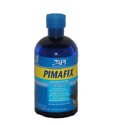
USE: Pimenta extract is effective for a broad range of mild bacterial and fungal diseases that typically afflict fish and other aquatic animals.
Fish diseases that may be treated in accordance with this include bacterial fish diseases, such as fin and tail rot, mouth fungus (sometimes caused by the bacterium Flavobacterium columnaris); fungal fish diseases (such as those caused by microorganisms of the genera Saprolegnia and Achyle) and the like.
Pimenta Extract has shown to be more effective against gram negative bacterial infections which are more common in aquatic infections. This generally makes Pimafix a better choice over Melafix, although they can be combined for more broad range effectiveness.
Fish diseases that may be treated in accordance with this include bacterial fish diseases, such as fin and tail rot, mouth fungus (sometimes caused by the bacterium Flavobacterium columnaris); fungal fish diseases (such as those caused by microorganisms of the genera Saprolegnia and Achyle) and the like.
Pimenta Extract has shown to be more effective against gram negative bacterial infections which are more common in aquatic infections. This generally makes Pimafix a better choice over Melafix, although they can be combined for more broad range effectiveness.
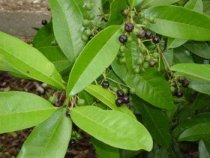
The Pimenta extract treatment has been shown in Lab tests to be effective in curing such difficult-to-treat fish diseases, like ragged fins and bacterial dropsy (early stages).
Since the Pimenta extract treatment has been shown in Lab Tests to have broad-spectrum effectiveness against many diseases affecting fish and other aquatic animals, precise identification of specific bacterial or fungal pathogens causing the disease is not usually necessary.
Please note though that sterile environment lab tests not always a real world indicator of how a treatment or process will work, based on my results I would only suggest this for mild to some moderate infections in an aquarium/pond.
Pimafix is often effective where its sister product, Melafix is not. Since they have different anti-microbial properties, combining both is safe and occasionally more effective.
My own use and notes of this product show it to be a useful product (often even more useful when combined with Melafix) for MILD bacterial infections or fungal (Saprolegnia) infections.
I have never seen any harm to fish or nitrifying bacteria with this product, and it is what I often use or recommend for new fish, when possible infections are noted, or sometimes after a stressful situation for the fish has occurred.
This all said, Pimafix is not for serious infections, so even though this is a good first response treatment (again with a possible combination with Melafix), I do NOT recommend Pimafix when the infection is serious or if Pimafix is not effecting a cure, a stronger medication such as Kanamycin, Minocycline or Nitrofurazone SHOULD be used.
Please see this article for more about these medications:
Aquarium Medications; Antibiotics, Antimicrobials
Product References:
*AAP Spectrogram; Synergistic Kanamycin, Nitrofurazone Combination (best choice over separate use)
*SeaChem Kanamycin
*Nitrofurazone
*Pimafix, from AAP
Possible Dangers:
One caution I would offer for the use of Pimafix is for marine aquariums; although I have not observed any problems, human and other animal studies have shown that the active ingredient in Pimafix is highly toxic when ingested and since most marine fish drink the water around them to regulate osmotic pressure in their bodies, the potential of over use exists in marine aquaria. As well, I would most definitely not use with marine invertebrates!
Another caution with Pimafix is that it contains refined Clove Oil (refined so as to dissolve in water).
Many aquarists warn against the use of Pimafix for this reason, HOWEVER I think this is a knee jerk reaction with NO scientific studies to back this up.
Of course continued use of Pimafix with no water changes and/or use of carbon for removal could certainly allow for dangerous Eugenol (the active ingredient in clove oil) buildup, but then ANY treatment when abused can be dangerous!
I found one such reaction in an aquarium forum by a person who seems quite knowledgeable, but in this case is making non-scientific anecdotal claims based not in controlled studies, but the knowledge that Clove oil can be and is lethal at certain dosage.
An example of this type of thinking as noted in the previous paragraph, is the use of Tylenol (acetometaphin) in humans; which used properly is effective for headache relief and more, but when over used or worse, when combined with alcohol can be lethal to one’s liver.
My point is to use this or ANY treatment carefully with routine water changes between doses.
DOSAGE: Refer to Pimafix (link) instructions on how to use Pimafix
Since the Pimenta extract treatment has been shown in Lab Tests to have broad-spectrum effectiveness against many diseases affecting fish and other aquatic animals, precise identification of specific bacterial or fungal pathogens causing the disease is not usually necessary.
Please note though that sterile environment lab tests not always a real world indicator of how a treatment or process will work, based on my results I would only suggest this for mild to some moderate infections in an aquarium/pond.
Pimafix is often effective where its sister product, Melafix is not. Since they have different anti-microbial properties, combining both is safe and occasionally more effective.
My own use and notes of this product show it to be a useful product (often even more useful when combined with Melafix) for MILD bacterial infections or fungal (Saprolegnia) infections.
I have never seen any harm to fish or nitrifying bacteria with this product, and it is what I often use or recommend for new fish, when possible infections are noted, or sometimes after a stressful situation for the fish has occurred.
This all said, Pimafix is not for serious infections, so even though this is a good first response treatment (again with a possible combination with Melafix), I do NOT recommend Pimafix when the infection is serious or if Pimafix is not effecting a cure, a stronger medication such as Kanamycin, Minocycline or Nitrofurazone SHOULD be used.
Please see this article for more about these medications:
Aquarium Medications; Antibiotics, Antimicrobials
Product References:
*AAP Spectrogram; Synergistic Kanamycin, Nitrofurazone Combination (best choice over separate use)
*SeaChem Kanamycin
*Nitrofurazone
*Pimafix, from AAP
Possible Dangers:
One caution I would offer for the use of Pimafix is for marine aquariums; although I have not observed any problems, human and other animal studies have shown that the active ingredient in Pimafix is highly toxic when ingested and since most marine fish drink the water around them to regulate osmotic pressure in their bodies, the potential of over use exists in marine aquaria. As well, I would most definitely not use with marine invertebrates!
Another caution with Pimafix is that it contains refined Clove Oil (refined so as to dissolve in water).
Many aquarists warn against the use of Pimafix for this reason, HOWEVER I think this is a knee jerk reaction with NO scientific studies to back this up.
Of course continued use of Pimafix with no water changes and/or use of carbon for removal could certainly allow for dangerous Eugenol (the active ingredient in clove oil) buildup, but then ANY treatment when abused can be dangerous!
I found one such reaction in an aquarium forum by a person who seems quite knowledgeable, but in this case is making non-scientific anecdotal claims based not in controlled studies, but the knowledge that Clove oil can be and is lethal at certain dosage.
An example of this type of thinking as noted in the previous paragraph, is the use of Tylenol (acetometaphin) in humans; which used properly is effective for headache relief and more, but when over used or worse, when combined with alcohol can be lethal to one’s liver.
My point is to use this or ANY treatment carefully with routine water changes between doses.
DOSAGE: Refer to Pimafix (link) instructions on how to use Pimafix
Melafix (TTO, Tea tree oil)
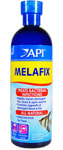
USE: Due to antiseptic properties, Melafix may help repair damaged fins, ulcers, mild eye infections, and open wounds, often caused by rough handling, fighting, and occasionally “ammonia burns”. Although a fish bath or hospital tank with Methylene Blue is often more effective.
Since it is basically a "First Aid" product, it should not be used for anything that has advanced for several days, especially if gram negative in nature.
Melaluca tea extract also promotes re-growth of damaged tissue and fins when used as an antiseptic.
References:
*Fish Bath Information
*Methylene Blue from AAP
Since it is basically a "First Aid" product, it should not be used for anything that has advanced for several days, especially if gram negative in nature.
Melaluca tea extract also promotes re-growth of damaged tissue and fins when used as an antiseptic.
References:
*Fish Bath Information
*Methylene Blue from AAP
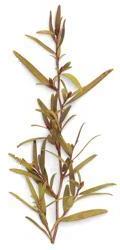
About Melaleuca:
Melaleuca alternifolia is a plant that belongs to the family Myrtaceae, of which aboriginals of New South Wales (Australia) have long used as an antiseptic.
The oil is a natural antimicrobial allelochemics Phytoncide obtained from the leaves of the tea tree contains marked germicidal activity owing to the presence of terpunen-4-ol and is useful in eliminating germs.
Other constituents in the oil extracted from this plant like alpha-terpineol and linalool are also play a major role in maintaining the anti-microbial activities.
The oil is acquired from the tea tree leaves through a process of steam refinement.
While a third of the oil contains different terpene hydrocarbons like pinene, terpinene and cymene, the remaining part comprises mainly of oxygenated terpenes.
The terpenes are mainly terpinen-4-ol that may form up to 60 percent of the total oil derived from the tea tree leaves.
However it is noteworthy that Melafix employs the TTO found in the related Melaleuca leucadendron tree (AKA the Cajeput tree) found in SE Asia, New Guinea and surrounding areas.
This is important, as there is much less scientific studies backing up the use of TTO (tea tree oil) found in Melaleuca leucadendron vs. Melaleuca alternifolia.
This admittedly leads me to question why API chose to use this form of TTO vs. the better documented Melaleuca alternifolia.
More about Aquatic uses of Melafix;
Melafix is sometimes effective against early stages of Aeromonas bacteria which often attack open wounds, sores, and abrasions.
However the main use of Melaluca (Melafix) is as an antiseptic or bactericidal for MILD wounds, torn fins, mild eye infections, etc. on fish for which it is a good product to have on hand as a first response treatment as one would for a human antiseptic such as "Neosporin".
As well it is noteworthy that Melafix (TTO) is more useful in “battling” Aeromonas by aiding in healing the fish prior to this opportunistic gram negative bacterium even gets a “foot hold” (especially since TTO has little proven effectiveness against full blown gram negative infections).
More about: Aeromonas bacteria
As to eye infections, Melafix is an excellent first response to eye infections and often is all that is needed for mild case, however more serious case generally should included medicated baths, direct applications of medications to the eye (such as Methylene Blue or Potassium Permanganate), along with in tank treatment with stronger gram positive medications such as Erythromycin (Erythromycin Phosphate is the better choice over commonly sold Erythromycin Sulfate).
Eye Infection Reference:
Aquarium Answers, Eye Infections, Streptococcus
Product Reference:
Melafix from AAP
Potassium Permanganate
AAP Myacin PREMIUM Erythromycin Phosphate
API Economy Erythromycin from AAP
Melaluca tends to be more effective against gram positive bacteria (which is often the cause of eye infections), which are less common in aquatic diseases, making Melafix a lesser choice to Pimafix which is more effective against gram negative bacteria (as noted earlier, they can be combined).
More importantly, MULTIPLE excellent University level human and veterinary studies (most out of Australia) show that Tea Tree oil (used to manufacture Melafix) can be an effective EXTERNAL treatment against many bacterium (primarily gram positive).
HOWEVER there is little evidence of internal effectiveness (it is toxic internally as well), so the use of Melafix to treat systemic infections (which aquatic infections often are) such as Septicemia is TOTALLY useless!
For this reason I still have to scratch my head as to the use & recommendation of Melafix to treat these infections as all scientific evidence says NO, so those who claim it helped are making anecdotal statements, that are likely explained by other reasons/answers.
I have used Melafix quite a bit with mixed results.
Sometimes though this product gets reviews that are very inaccurate from both sides; some claim it is useless (it is not) others will recommend it for everything of which this product has many limits.
I think this is where I want to pull my hair out as those who over recommend Melafix as well as those who say it is useless really understand what Melafix really works best on or should be used for.
An absurd claim put out by an old Goldfish site that is present in some Google Groups is that Melafix will burn the gills of injured fish; I have NEVER seen ANY evidence of this and quite the opposite I have found it soothing to the fish with wounds (see the university study link that disproves this common internet myth).
If you doubt this try pouring some Melafix on an open sore you have and see what happens!
First Response use of Melafix; I am attempting make the point in this article that Melafix or Melafix combined with Pimafix is a good first response treatment for mild/moderate injuries, torn fins, damaged gills (often from high ammonia). However, ongoing use for advanced gram negative bacterial infection not only have been proven to be not effective, but also have a dangerous negative effect on aquarium Redox.
I urge readers to exercise more scientific and less anecdotal thinking when using Melafix.
Since Melafix has been proven scientifically to be primarily effective only on gram positive bacterium which are far less often a cause of serious aquarium and pond bacterial infections than gram negative infections such as Columnaris, the use of this product for said infections is totally useless. Gram negative Pseudomonas MAY be the only possible exception but this is not generally a common cause of virulent infections in fish.
More importantly, my use of test samples from virulent fish sores in the 1990s showed no activity by Melafix against the the bacterium involved.
HOWEVER since many gram positive infections can be first invaders in injuries, sores, torn fins, etc., the immediate use of Melafix can help prevent opportunistic bacteria such as Aeromonas or Columnaris to get started in the first place, which is where this product "shines" as a first response (not though for ongoing and/or advanced treatments, in particular gram negative infections which dominate most ongoing fish bacterial infections).
Use as a first response product is where I have found Melafix most useful and why I feel it should be part of of every fish keepers on hand arsenal, I just caution its use for most full blown fish infections (though combining with Pimafix can improve results in some instances).
Infection Resources:
Aeromonas Bacterial infections in aquariums, ponds
Columnaris, Fungus, Saprolegnia
My point about thinking scientifically means that if, for example you had a fish with symptoms of Aeromonas (which is an extremely opportunistic infection that often strikes in less than optimum conditions) and then changed water and performed other maintenance tasks that improved water conditions, while at the same time used Melafix to treat the fish, then your fish recovered; this is NOT proof that the Melafix cured your fish. More than likely the water improvement tasks helped the fish fight the infection themselves.
Making such a claim is an example of anecdotal information as this is not a scientific method of making accurate assessments of aquarium treatments, unfortunately this is how these types of aquatic urban myths get started and are then spread via non or poorly moderated forums such as Yahoo Answers.
Even with gram positive infections such as Aquatic Streptococcus which Melafix may be effective for (in mild cases or in conjunction with other treatment methods), the potential user should note that the ingredients in Melafix are not very strong against a virulent Streptococcus infection.
Melaleuca alternifolia is a plant that belongs to the family Myrtaceae, of which aboriginals of New South Wales (Australia) have long used as an antiseptic.
The oil is a natural antimicrobial allelochemics Phytoncide obtained from the leaves of the tea tree contains marked germicidal activity owing to the presence of terpunen-4-ol and is useful in eliminating germs.
Other constituents in the oil extracted from this plant like alpha-terpineol and linalool are also play a major role in maintaining the anti-microbial activities.
The oil is acquired from the tea tree leaves through a process of steam refinement.
While a third of the oil contains different terpene hydrocarbons like pinene, terpinene and cymene, the remaining part comprises mainly of oxygenated terpenes.
The terpenes are mainly terpinen-4-ol that may form up to 60 percent of the total oil derived from the tea tree leaves.
However it is noteworthy that Melafix employs the TTO found in the related Melaleuca leucadendron tree (AKA the Cajeput tree) found in SE Asia, New Guinea and surrounding areas.
This is important, as there is much less scientific studies backing up the use of TTO (tea tree oil) found in Melaleuca leucadendron vs. Melaleuca alternifolia.
This admittedly leads me to question why API chose to use this form of TTO vs. the better documented Melaleuca alternifolia.
More about Aquatic uses of Melafix;
Melafix is sometimes effective against early stages of Aeromonas bacteria which often attack open wounds, sores, and abrasions.
However the main use of Melaluca (Melafix) is as an antiseptic or bactericidal for MILD wounds, torn fins, mild eye infections, etc. on fish for which it is a good product to have on hand as a first response treatment as one would for a human antiseptic such as "Neosporin".
As well it is noteworthy that Melafix (TTO) is more useful in “battling” Aeromonas by aiding in healing the fish prior to this opportunistic gram negative bacterium even gets a “foot hold” (especially since TTO has little proven effectiveness against full blown gram negative infections).
More about: Aeromonas bacteria
As to eye infections, Melafix is an excellent first response to eye infections and often is all that is needed for mild case, however more serious case generally should included medicated baths, direct applications of medications to the eye (such as Methylene Blue or Potassium Permanganate), along with in tank treatment with stronger gram positive medications such as Erythromycin (Erythromycin Phosphate is the better choice over commonly sold Erythromycin Sulfate).
Eye Infection Reference:
Aquarium Answers, Eye Infections, Streptococcus
Product Reference:
Melafix from AAP
Potassium Permanganate
AAP Myacin PREMIUM Erythromycin Phosphate
API Economy Erythromycin from AAP
Melaluca tends to be more effective against gram positive bacteria (which is often the cause of eye infections), which are less common in aquatic diseases, making Melafix a lesser choice to Pimafix which is more effective against gram negative bacteria (as noted earlier, they can be combined).
More importantly, MULTIPLE excellent University level human and veterinary studies (most out of Australia) show that Tea Tree oil (used to manufacture Melafix) can be an effective EXTERNAL treatment against many bacterium (primarily gram positive).
HOWEVER there is little evidence of internal effectiveness (it is toxic internally as well), so the use of Melafix to treat systemic infections (which aquatic infections often are) such as Septicemia is TOTALLY useless!
For this reason I still have to scratch my head as to the use & recommendation of Melafix to treat these infections as all scientific evidence says NO, so those who claim it helped are making anecdotal statements, that are likely explained by other reasons/answers.
I have used Melafix quite a bit with mixed results.
Sometimes though this product gets reviews that are very inaccurate from both sides; some claim it is useless (it is not) others will recommend it for everything of which this product has many limits.
I think this is where I want to pull my hair out as those who over recommend Melafix as well as those who say it is useless really understand what Melafix really works best on or should be used for.
An absurd claim put out by an old Goldfish site that is present in some Google Groups is that Melafix will burn the gills of injured fish; I have NEVER seen ANY evidence of this and quite the opposite I have found it soothing to the fish with wounds (see the university study link that disproves this common internet myth).
If you doubt this try pouring some Melafix on an open sore you have and see what happens!
First Response use of Melafix; I am attempting make the point in this article that Melafix or Melafix combined with Pimafix is a good first response treatment for mild/moderate injuries, torn fins, damaged gills (often from high ammonia). However, ongoing use for advanced gram negative bacterial infection not only have been proven to be not effective, but also have a dangerous negative effect on aquarium Redox.
I urge readers to exercise more scientific and less anecdotal thinking when using Melafix.
Since Melafix has been proven scientifically to be primarily effective only on gram positive bacterium which are far less often a cause of serious aquarium and pond bacterial infections than gram negative infections such as Columnaris, the use of this product for said infections is totally useless. Gram negative Pseudomonas MAY be the only possible exception but this is not generally a common cause of virulent infections in fish.
More importantly, my use of test samples from virulent fish sores in the 1990s showed no activity by Melafix against the the bacterium involved.
HOWEVER since many gram positive infections can be first invaders in injuries, sores, torn fins, etc., the immediate use of Melafix can help prevent opportunistic bacteria such as Aeromonas or Columnaris to get started in the first place, which is where this product "shines" as a first response (not though for ongoing and/or advanced treatments, in particular gram negative infections which dominate most ongoing fish bacterial infections).
Use as a first response product is where I have found Melafix most useful and why I feel it should be part of of every fish keepers on hand arsenal, I just caution its use for most full blown fish infections (though combining with Pimafix can improve results in some instances).
Infection Resources:
Aeromonas Bacterial infections in aquariums, ponds
Columnaris, Fungus, Saprolegnia
My point about thinking scientifically means that if, for example you had a fish with symptoms of Aeromonas (which is an extremely opportunistic infection that often strikes in less than optimum conditions) and then changed water and performed other maintenance tasks that improved water conditions, while at the same time used Melafix to treat the fish, then your fish recovered; this is NOT proof that the Melafix cured your fish. More than likely the water improvement tasks helped the fish fight the infection themselves.
Making such a claim is an example of anecdotal information as this is not a scientific method of making accurate assessments of aquarium treatments, unfortunately this is how these types of aquatic urban myths get started and are then spread via non or poorly moderated forums such as Yahoo Answers.
Even with gram positive infections such as Aquatic Streptococcus which Melafix may be effective for (in mild cases or in conjunction with other treatment methods), the potential user should note that the ingredients in Melafix are not very strong against a virulent Streptococcus infection.
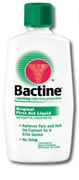
Melafix’s properties as an antimicrobial are limited (at least at the concentrations found in Melafix). However I do find it useful for a first response to injury of all kinds to fish where I HAVE observed some good results here and often the fish are more calm (IMO) after use of this product.
The best way to think of Melafix (Melaluca) is to compare it to human use of Neosporin or antiseptics like Bactine after a cut, abrasion or similar.
Melafix has similar properties and uses and like Neosporin or Bactine and similarly does not take the place of stronger treatments for more serious infections or injuries.
An analogy so as to better understand how and what to use Melafix for is these:
Would you use Bactine for an abrasion, mild bite/sting or cut?
Yes, as would an aquarist with Melafix
Would you use Bactine for this same cut that developed a Staph infection?
No, nor would you use Melafix, you would advance to a stronger antibiotic such as Kanamycin or Erythromycin
Would you use Bactine if you were severely injured by shrapnel, leaving a gaping wound?
No, nor would you use Melafix for a severe injury (a medicated bath, possible with salts, Methylene Blue, Kanamycin, etc. would be the first course followed by a hospital tank with an antibiotic such as Kanamycin & Nitrofurazone or Triple Sulfa).
As with Pimafix (and even more so since it is effective for less bacterium), I do not recommend Melafix for serious infections, rather a first line of defense as already noted and in combination with the slightly more effective Pimafix.
Possible Dangers:
* As with Pimafix, I would be careful in Marine Aquarium use, although with fish generally this is not a problem (although effectiveness is questionable since marine fish diseases even more so than freshwater diseases tend toward gram negative). With marine reef tanks I would not recommend the use of Melafix.
* As with Pimafix too, Melafix is a strong Redox Oxidizer, which ongoing use, especially for diseases of gram negative bacterium, will result in an unhealthy Redox balance, which then can further lower fish disease resistance.
* Many claim that Melafix can cause problems with Labyrinth fish and Pencil Fish, which research has shown to be a half truth.
I have used and tested Melafix on many Labyrinth fish (in particular Bettas) and not found these results as claimed.
Further more, one aquarium website incorrectly stated that the "oils" in both Pimafix and Melafix are dangerous to Labyrinth due to the need to "breath air".
I can correct this incorrect statement in that part of the patent for Melafix (& Pimafix) is the process of refining of the oil OUT of both these products.
This can EASILY be proved by adding Melafix or Pimafix to the water and watching for it to float on the water, which it does not.
HOWEVER before implying this person in that aquarium website does not know what she is talking about, Melafix can and does cause foaming, which at least in theory could be a problem with certain fish.
I would also refer to my analogy I used to explain anecdotal concerns with Pimafix as to the use of Tylenol in humans.
I would venture a guess that those who have had problems are certainly not imagining it, however that some sort of chemical reaction happened (again I refer to my Tylenol/alcohol combination analogy I made in the Pimafix section).
My reason for making this statement is that I and others in my profession have used Melafix with Labyrinth fish/Pencil fish and have not observed fatal reactions.
Current Research/Hypothesis
Currently the best scientific information shows that there may be link between the tea tree oil in Melafix and toxicity in Labyrinth fish/Pencil fish, but this link is NOT what many in aquatic forums are anecdotally assuming.
The best information points to liver function, which would explain why some (such as myself) have not observed this problems in our tests, as admittedly the early studies did not initially focus on over doses or chemistry variables in the water.
Basically Tea Tree oil (melaleuca, Melaleuca alternifolia) is a phenol-containing essential oil.
Its active ingredients are cyclic terpenes which have a similar structure and action to turpentine (a known liver toxin).
The acute toxicity for the major terpenic compounds (linalool, ocimene, alpha-terpinene, 1,8-cineole, terpinolene, camphene) is 2 - 5 g/kg body weight, which is considered a moderately toxic range.
From a toxicologic point of view Tea Tree oil is comparable to oil of turpentine, which is readily absorbed from the gastrointestinal tract and then finds its way to the liver.
What may be the problem is that under certain conditions Melafix may be toxic to the liver in Labyrinth fish/Pencil fish.
My current hypothesis (based on early tests), is that since the best research shows similarities between TTO and Turpentine (both are terpenes, but then so is beta carotene), is that in an acidic environment, in particular an environment with nitric acid (which is quite possible in an aquarium), the chemical reaction can produce chemicals that may harm the liver in certain fish that have a tendency to ingest the water around them such as Labyrinth fish/Pencil fish (via the surface).
Certain terpenes such as turpentine are actually explosive when combined with nitric acid (this chemical reaction is used in rocket fuels!).
On a small scale (aquarium environment) some similar reaction may be happening that with certain fish can cause death. This would also explain why this problem has never been noted in marine fish even though they constantly drink the water around them, since marine fish are always kept in an alkaline environment.
This would also explain why this reaction has not been observed in my tests with Melafix (even at double doses) with Labyrinth fish/Pencil fish since I conducted these tests in a balanced Redox mineral/electrolyte environment.
At this point my advice is to maintain a non acidic environment, proper mineralization and Redox, which is something I have been a big proponent of for many years now based on scientific evidence of the benefits therein.
Since most evidence points to this conclusion, this may be the link in this problem, especially since the TTO found in Melafix (and all terpenes) is a known Redox reducer and an acidic/oxidizing environment of ANY cause could cause possible undesirable effects.
Another evidence pointing toward this conclusion is that based in emails, browsing of Forums (Betta forums in particular), and speaking with clients and colleagues; is that in almost every case where Melafix has been a problem the person using this product was incorrectly keeping the Betta in an acidic, poorly mineralized, poor Redox environment of which they were unfortunately given misguided advice to do so.
This also brings up an important point about Melafix use in general for all fish and that is that both Melafix and Pimafix are acidic and negatively affect Redox Balance, so while these products certainly have their place in aquarium use, continued use will most definitely cause issues with Redox Balance and therefore long term fish immunity.
The use of products such as Wonder Shells can counteract this problem and these should definitely be used with Melafix (if only fragments of AAP Wonder Shells), however these are not the solution for long term use of Melafix and therefore use of Melafix for longer than 10 days should be avoided.
Product Resource: Wonder Shells; Unique Versions only from AAP
I recommend reading these articles:
Importance of Minerals, Electrolytes, GH, KH in Aquariums
Aquarium/Pond Redox
PLEASE reference this excellent university level study for more about the positives and negatives of Tea Tree oil found in Melafix:
Tea Tree Oil: a Review of Antimicrobial and Other Medicinal Properties
DOSAGE: Refer to Melafix instructions or to purchase, please see this site:
API Treatments; Melafix
Further Resource:
Is Gram Positive Tea Tree Oil Safe for Pets
The best way to think of Melafix (Melaluca) is to compare it to human use of Neosporin or antiseptics like Bactine after a cut, abrasion or similar.
Melafix has similar properties and uses and like Neosporin or Bactine and similarly does not take the place of stronger treatments for more serious infections or injuries.
An analogy so as to better understand how and what to use Melafix for is these:
Would you use Bactine for an abrasion, mild bite/sting or cut?
Yes, as would an aquarist with Melafix
Would you use Bactine for this same cut that developed a Staph infection?
No, nor would you use Melafix, you would advance to a stronger antibiotic such as Kanamycin or Erythromycin
Would you use Bactine if you were severely injured by shrapnel, leaving a gaping wound?
No, nor would you use Melafix for a severe injury (a medicated bath, possible with salts, Methylene Blue, Kanamycin, etc. would be the first course followed by a hospital tank with an antibiotic such as Kanamycin & Nitrofurazone or Triple Sulfa).
As with Pimafix (and even more so since it is effective for less bacterium), I do not recommend Melafix for serious infections, rather a first line of defense as already noted and in combination with the slightly more effective Pimafix.
Possible Dangers:
* As with Pimafix, I would be careful in Marine Aquarium use, although with fish generally this is not a problem (although effectiveness is questionable since marine fish diseases even more so than freshwater diseases tend toward gram negative). With marine reef tanks I would not recommend the use of Melafix.
* As with Pimafix too, Melafix is a strong Redox Oxidizer, which ongoing use, especially for diseases of gram negative bacterium, will result in an unhealthy Redox balance, which then can further lower fish disease resistance.
* Many claim that Melafix can cause problems with Labyrinth fish and Pencil Fish, which research has shown to be a half truth.
I have used and tested Melafix on many Labyrinth fish (in particular Bettas) and not found these results as claimed.
Further more, one aquarium website incorrectly stated that the "oils" in both Pimafix and Melafix are dangerous to Labyrinth due to the need to "breath air".
I can correct this incorrect statement in that part of the patent for Melafix (& Pimafix) is the process of refining of the oil OUT of both these products.
This can EASILY be proved by adding Melafix or Pimafix to the water and watching for it to float on the water, which it does not.
HOWEVER before implying this person in that aquarium website does not know what she is talking about, Melafix can and does cause foaming, which at least in theory could be a problem with certain fish.
I would also refer to my analogy I used to explain anecdotal concerns with Pimafix as to the use of Tylenol in humans.
I would venture a guess that those who have had problems are certainly not imagining it, however that some sort of chemical reaction happened (again I refer to my Tylenol/alcohol combination analogy I made in the Pimafix section).
My reason for making this statement is that I and others in my profession have used Melafix with Labyrinth fish/Pencil fish and have not observed fatal reactions.
Current Research/Hypothesis
Currently the best scientific information shows that there may be link between the tea tree oil in Melafix and toxicity in Labyrinth fish/Pencil fish, but this link is NOT what many in aquatic forums are anecdotally assuming.
The best information points to liver function, which would explain why some (such as myself) have not observed this problems in our tests, as admittedly the early studies did not initially focus on over doses or chemistry variables in the water.
Basically Tea Tree oil (melaleuca, Melaleuca alternifolia) is a phenol-containing essential oil.
Its active ingredients are cyclic terpenes which have a similar structure and action to turpentine (a known liver toxin).
The acute toxicity for the major terpenic compounds (linalool, ocimene, alpha-terpinene, 1,8-cineole, terpinolene, camphene) is 2 - 5 g/kg body weight, which is considered a moderately toxic range.
From a toxicologic point of view Tea Tree oil is comparable to oil of turpentine, which is readily absorbed from the gastrointestinal tract and then finds its way to the liver.
What may be the problem is that under certain conditions Melafix may be toxic to the liver in Labyrinth fish/Pencil fish.
My current hypothesis (based on early tests), is that since the best research shows similarities between TTO and Turpentine (both are terpenes, but then so is beta carotene), is that in an acidic environment, in particular an environment with nitric acid (which is quite possible in an aquarium), the chemical reaction can produce chemicals that may harm the liver in certain fish that have a tendency to ingest the water around them such as Labyrinth fish/Pencil fish (via the surface).
Certain terpenes such as turpentine are actually explosive when combined with nitric acid (this chemical reaction is used in rocket fuels!).
On a small scale (aquarium environment) some similar reaction may be happening that with certain fish can cause death. This would also explain why this problem has never been noted in marine fish even though they constantly drink the water around them, since marine fish are always kept in an alkaline environment.
This would also explain why this reaction has not been observed in my tests with Melafix (even at double doses) with Labyrinth fish/Pencil fish since I conducted these tests in a balanced Redox mineral/electrolyte environment.
At this point my advice is to maintain a non acidic environment, proper mineralization and Redox, which is something I have been a big proponent of for many years now based on scientific evidence of the benefits therein.
Since most evidence points to this conclusion, this may be the link in this problem, especially since the TTO found in Melafix (and all terpenes) is a known Redox reducer and an acidic/oxidizing environment of ANY cause could cause possible undesirable effects.
Another evidence pointing toward this conclusion is that based in emails, browsing of Forums (Betta forums in particular), and speaking with clients and colleagues; is that in almost every case where Melafix has been a problem the person using this product was incorrectly keeping the Betta in an acidic, poorly mineralized, poor Redox environment of which they were unfortunately given misguided advice to do so.
This also brings up an important point about Melafix use in general for all fish and that is that both Melafix and Pimafix are acidic and negatively affect Redox Balance, so while these products certainly have their place in aquarium use, continued use will most definitely cause issues with Redox Balance and therefore long term fish immunity.
The use of products such as Wonder Shells can counteract this problem and these should definitely be used with Melafix (if only fragments of AAP Wonder Shells), however these are not the solution for long term use of Melafix and therefore use of Melafix for longer than 10 days should be avoided.
Product Resource: Wonder Shells; Unique Versions only from AAP
I recommend reading these articles:
Importance of Minerals, Electrolytes, GH, KH in Aquariums
Aquarium/Pond Redox
PLEASE reference this excellent university level study for more about the positives and negatives of Tea Tree oil found in Melafix:
Tea Tree Oil: a Review of Antimicrobial and Other Medicinal Properties
DOSAGE: Refer to Melafix instructions or to purchase, please see this site:
API Treatments; Melafix
Further Resource:
Is Gram Positive Tea Tree Oil Safe for Pets
Naphthoquinones (Herbal Ich Attack)
Naphthoquinones are compounds present in several families of higher plants.
Their molecular structures confer Redox properties, and they are involved in multiple biological oxidative processes.
In folk medicine plants containing Naphthoquinones (such as Henna) have been employed for the treatment of various diseases.
The two-electron reduction of quinones is catalyzed by oxidoreductase and generates hydroquinones. This enzyme reduces toxic, reactive and unstable quinones, bypassing the creation of toxic intermediates (e.g. a semiquinone radical), and sparing the cell from ROS formation
Their molecular structures confer Redox properties, and they are involved in multiple biological oxidative processes.
In folk medicine plants containing Naphthoquinones (such as Henna) have been employed for the treatment of various diseases.
The two-electron reduction of quinones is catalyzed by oxidoreductase and generates hydroquinones. This enzyme reduces toxic, reactive and unstable quinones, bypassing the creation of toxic intermediates (e.g. a semiquinone radical), and sparing the cell from ROS formation
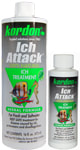
A relatively new product that contains Naphthoquinones is Kordon Herbal Ich Attack & Rid Fungus.
This product stops infectious and external parasitic invasions from getting started and in turn prevents many secondary infections.
As well Herbal Ich Attack (aka Rid Fungus) attacks fungi in fresh water that include the species of Saprolegnia, Achlya, Leptomitus, Pythium, as well as marine (saltwater) Exophiala.
Ich-Attack is effective against protozoan parasites on fishes while safe for most aquatic invertebrates, whether fresh or brackish water, or marine.
These comprise dozens of genera and species of fish-infecting species in fresh and salt water, each kind with distinctive characteristics in their infections.
The groups include "white spot disease" and other ciliates (Ichthyophthirius in fresh water, and Cryptocaryon, Brooklynella, Trichodina in marine), and "sporozoan parasites" for which many infectors of aquarium fish are marine.
Dinoflagellate infections treated by Ich-Attack are photosynthetic single-celled organisms which include Oodinium (velvet disease), Amyloodinium (coral fish disease), Tetrahymena, as well as other infectious dinoflagellates.
Kordon Herbal Ich-Attack (aka Rid-Fungus) is especially suitable for tropical marine aquariums containing aquatic invertebrates, it also treats their fungal infections, while not adversely affecting coral reef animals, including corals, anemones, starfish, snails, crabs, and shrimp.
Herbal Ich-Attack was led/created by Dr. Michael Tierra (a well known herbalist whose books on natural botanical treatments are widely read) whose work to determine which herbals can be used together to cover a wide spectrum of external fungal and other aquatic diseases.
*As with Usnea, well controlled in depth tests of products containing Naphthoquinones such as Herbal Ich Attack have not been performed that I know of as of writing this update, however albeit somewhat anecdotal feedback from reliable aquarium maintenance professionals shows positive results, although these results also showed this treatment to not be as effective as similar chemical treatments such as the very effective AAP Super Ich Plus or slightly less effective SeaChem ParaGuard.
This feedback from these professionals has this product used with shrimp, snails, & crabs, for both fungus and Ich but 100% safety has not been confirmed with delicate corals or octopi.
Product Sources:
Herbal Ich Attack (aka Rid Fungus) from AAP
AAP Super Ich Plus
SeaChem ParaGuard
Reference:
https://www.thefreelibrary.com/Antimicrobial+properties+of+Lawsonia+inermis+%28henna%29%3a+a+review-a0173925919
https://www.mdpi.com/1420-3049/14/11/4570/pdf
This product stops infectious and external parasitic invasions from getting started and in turn prevents many secondary infections.
As well Herbal Ich Attack (aka Rid Fungus) attacks fungi in fresh water that include the species of Saprolegnia, Achlya, Leptomitus, Pythium, as well as marine (saltwater) Exophiala.
Ich-Attack is effective against protozoan parasites on fishes while safe for most aquatic invertebrates, whether fresh or brackish water, or marine.
These comprise dozens of genera and species of fish-infecting species in fresh and salt water, each kind with distinctive characteristics in their infections.
The groups include "white spot disease" and other ciliates (Ichthyophthirius in fresh water, and Cryptocaryon, Brooklynella, Trichodina in marine), and "sporozoan parasites" for which many infectors of aquarium fish are marine.
Dinoflagellate infections treated by Ich-Attack are photosynthetic single-celled organisms which include Oodinium (velvet disease), Amyloodinium (coral fish disease), Tetrahymena, as well as other infectious dinoflagellates.
Kordon Herbal Ich-Attack (aka Rid-Fungus) is especially suitable for tropical marine aquariums containing aquatic invertebrates, it also treats their fungal infections, while not adversely affecting coral reef animals, including corals, anemones, starfish, snails, crabs, and shrimp.
Herbal Ich-Attack was led/created by Dr. Michael Tierra (a well known herbalist whose books on natural botanical treatments are widely read) whose work to determine which herbals can be used together to cover a wide spectrum of external fungal and other aquatic diseases.
*As with Usnea, well controlled in depth tests of products containing Naphthoquinones such as Herbal Ich Attack have not been performed that I know of as of writing this update, however albeit somewhat anecdotal feedback from reliable aquarium maintenance professionals shows positive results, although these results also showed this treatment to not be as effective as similar chemical treatments such as the very effective AAP Super Ich Plus or slightly less effective SeaChem ParaGuard.
This feedback from these professionals has this product used with shrimp, snails, & crabs, for both fungus and Ich but 100% safety has not been confirmed with delicate corals or octopi.
Product Sources:
Herbal Ich Attack (aka Rid Fungus) from AAP
AAP Super Ich Plus
SeaChem ParaGuard
Reference:
https://www.thefreelibrary.com/Antimicrobial+properties+of+Lawsonia+inermis+%28henna%29%3a+a+review-a0173925919
https://www.mdpi.com/1420-3049/14/11/4570/pdf
Therapeutic Oils (Fish Therapy Bath)
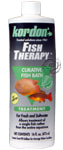
herapeutic oils have become very popular among many natural human health care professionals and have spun off such companies as "Young Living Essential Oils" and "DoTERRA Essential Oils", so use in fish is a natural progression in my view.
Evidences are still forth coming though, so use with caution and realize that established and proven safe methods such as Methylene Blue for fish baths still might be the better choice.
The therapeutic oils found in Kordon's Fish Therapy Bath have some science and proven use behind them (oils include citrus, neem, and lavender oils). Most notably the use of citrus oils to treat termites, fleas, etc. Lavender Oil also has repellant abilities.
It is however noteworthy that Lavenders ability to repel parasites is not proven, however Lavenders ability to calm does have more evidences to back it up and this can certainly be useful when giving a fish bath.
References:
Lavender- WebMD
Neem oil is reported to be effective as an insecticide as well as some anti-inflammation properties, anti-fungal and limited anti-bacterial (possibly tuberculosis), although anti-bacterial activity seems to indicate more effectiveness toward gram positive bacterium and most fish diseases are gram negative.
It is noteworthy though that most evidences for neem oil are inconclusive and more importantly in young humans, internal absorption can be fatal.
References:
Neem Oil- Wikipedia
Neem Oil- WebMD
Where does this leave us with this product (Kordon Fish Therapy Bath in particular)?
While I am personally just beginning tests with this product, with cautious use it should be a reasonable alternative for Methylene Blue Fish baths, but should not be combined with any other medications unlike Methylene Blue.
I see its primary use for parasite prevention or treatment, not bacterial infection prevention or treatment.
Saprolegnia treatment/prevention may also be a viable use.
I would not substitute Kordon Fish Therapy Bath for Methylene Blue for fish suffering from ammonia poisoning, low oxygen damage, pH shock, or other bath medications such as Potassium Permanganate or combinations of Methylene Blue with Furan 2/Kanaplex or Maracyn Plus for more serious problems.
Further Fish Bath Information:
Fish Baths, Swabs, Dips
Evidences are still forth coming though, so use with caution and realize that established and proven safe methods such as Methylene Blue for fish baths still might be the better choice.
The therapeutic oils found in Kordon's Fish Therapy Bath have some science and proven use behind them (oils include citrus, neem, and lavender oils). Most notably the use of citrus oils to treat termites, fleas, etc. Lavender Oil also has repellant abilities.
It is however noteworthy that Lavenders ability to repel parasites is not proven, however Lavenders ability to calm does have more evidences to back it up and this can certainly be useful when giving a fish bath.
References:
Lavender- WebMD
Neem oil is reported to be effective as an insecticide as well as some anti-inflammation properties, anti-fungal and limited anti-bacterial (possibly tuberculosis), although anti-bacterial activity seems to indicate more effectiveness toward gram positive bacterium and most fish diseases are gram negative.
It is noteworthy though that most evidences for neem oil are inconclusive and more importantly in young humans, internal absorption can be fatal.
References:
Neem Oil- Wikipedia
Neem Oil- WebMD
Where does this leave us with this product (Kordon Fish Therapy Bath in particular)?
While I am personally just beginning tests with this product, with cautious use it should be a reasonable alternative for Methylene Blue Fish baths, but should not be combined with any other medications unlike Methylene Blue.
I see its primary use for parasite prevention or treatment, not bacterial infection prevention or treatment.
Saprolegnia treatment/prevention may also be a viable use.
I would not substitute Kordon Fish Therapy Bath for Methylene Blue for fish suffering from ammonia poisoning, low oxygen damage, pH shock, or other bath medications such as Potassium Permanganate or combinations of Methylene Blue with Furan 2/Kanaplex or Maracyn Plus for more serious problems.
Further Fish Bath Information:
Fish Baths, Swabs, Dips
Oregon Grape Root
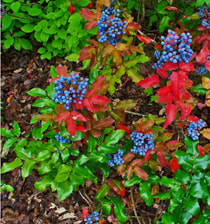
Oregon Grape Root is one of those "wonder herbs" with actual science to back it up, unlike many "natural treatments". What is not proven is its effectiveness in aquarium or pond fish use, but based on the science around how this herb works, likely this will become an effective addition to many other proven aquarium treatments.
Oregon Grape Root has potential to aid in antibiotic effectiveness in treatment of difficult to treat diseases such as Columnaris as it contains a specific multi drug resistance pump inhibitor (MDR Inhibitor).
Resistant bacteria work by utilizing a pumping mechanism in its cell that when antibiotics enter that cell the pump immediately pumps out the antibiotics so it can have no effect on the MRSA cell. Oregon Grape Root works by blocking the bacteria's ability to pump out antibiotics.
Oregon Grape Root is a bitter herb with cooling, draining and detoxifying benefits.
Oregon grape root is also referred to as a “berberine-containing plant” which is a natural anti-bacterial.
Potential Treatment for:
Eye infections
External wounds
Mouth infections
Inflamation
Intestinal Parasites
Digestive issues, including Dropsy
AQUARIUM USE:
Suggested use is opening a 400 mg Oregon Grape Root Capsule into 10 gallons of water along with the antibiotics such as Nitrofurazone and Kanamycin. This can be added to the aquarium or a fish bath.
Use in conjunction with other medications is suggested in most moderate to serious infections.
Reference: Oregon Grape Root - It could save the world
Online Source for Oregon Grape Root (not affiliated with AAP):
*Solaray Oregon Grape Root Capsules
*Nutraceutical International Corp. (a leading provider of Oregon Grape Root)
Oregon Grape Root has potential to aid in antibiotic effectiveness in treatment of difficult to treat diseases such as Columnaris as it contains a specific multi drug resistance pump inhibitor (MDR Inhibitor).
Resistant bacteria work by utilizing a pumping mechanism in its cell that when antibiotics enter that cell the pump immediately pumps out the antibiotics so it can have no effect on the MRSA cell. Oregon Grape Root works by blocking the bacteria's ability to pump out antibiotics.
Oregon Grape Root is a bitter herb with cooling, draining and detoxifying benefits.
Oregon grape root is also referred to as a “berberine-containing plant” which is a natural anti-bacterial.
Potential Treatment for:
Eye infections
External wounds
Mouth infections
Inflamation
Intestinal Parasites
Digestive issues, including Dropsy
AQUARIUM USE:
Suggested use is opening a 400 mg Oregon Grape Root Capsule into 10 gallons of water along with the antibiotics such as Nitrofurazone and Kanamycin. This can be added to the aquarium or a fish bath.
Use in conjunction with other medications is suggested in most moderate to serious infections.
Reference: Oregon Grape Root - It could save the world
Online Source for Oregon Grape Root (not affiliated with AAP):
*Solaray Oregon Grape Root Capsules
*Nutraceutical International Corp. (a leading provider of Oregon Grape Root)
Usnea, for Lymphocystis, Purchase Usnea
Please note that we have a more in depth article dealing with just Usnea for aquarium pond treatment, please visit this link:
USNEA; Using usnic acid as a fish remedy
USE;
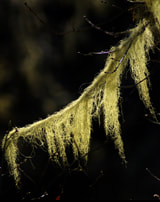
Usnea is a lichen common to the temperate forests of the Pacific Northwest of the USA.
I have found it effective for bacterial (gram negative, but primarily positive), fungal and even parasites such ich.
A natural antibiotic it has proven effective against gram positive bacteria and Mycobacterium tuberculosis (making Usnea a great alternative to Isoniazid).
Scientists believe that usnic acid works by disrupting cellular metabolism, either by preventing the formation of ATP which is the cells' energy source or by the stopping the action of oxidative phosphorylization.
Usnea may also be a better choice than the drug metronidazole (as per human studies) for parasites and anaerobic bacterial treatments in aquariums.
Usnea shows promise for gill infections due to the Mucilage (gluey substance produced by most plants and some microorganisms) contained in the Usnea which has been shown to have healing properties in areas of respiration.
Usnea also shows promise as a safe albeit mild Cryptocaryon (saltwater ich) treatment for Marine Aquariums.
It has similar anti-parasite properties to metronidazole and pepper for marine cryptocaryon. (Usnea actually has a peppery taste when brewed).
More information about Usnea;
Test tube studies have suggested an anti-cancer and an anti-viral activity for usnic acid. This may also make Usnea useful for the hard to treat aquatic viral disease; Lymphocystis (which is usually not fatal in otherwise healthy fish).
USNEA; Using usnic acid as a fish remedy
USE;
Usnea is a lichen common to the temperate forests of the Pacific Northwest of the USA.
I have found it effective for bacterial (gram negative, but primarily positive), fungal and even parasites such ich.
A natural antibiotic it has proven effective against gram positive bacteria and Mycobacterium tuberculosis (making Usnea a great alternative to Isoniazid).
Scientists believe that usnic acid works by disrupting cellular metabolism, either by preventing the formation of ATP which is the cells' energy source or by the stopping the action of oxidative phosphorylization.
Usnea may also be a better choice than the drug metronidazole (as per human studies) for parasites and anaerobic bacterial treatments in aquariums.
Usnea shows promise for gill infections due to the Mucilage (gluey substance produced by most plants and some microorganisms) contained in the Usnea which has been shown to have healing properties in areas of respiration.
Usnea also shows promise as a safe albeit mild Cryptocaryon (saltwater ich) treatment for Marine Aquariums.
It has similar anti-parasite properties to metronidazole and pepper for marine cryptocaryon. (Usnea actually has a peppery taste when brewed).
More information about Usnea;
Test tube studies have suggested an anti-cancer and an anti-viral activity for usnic acid. This may also make Usnea useful for the hard to treat aquatic viral disease; Lymphocystis (which is usually not fatal in otherwise healthy fish).
Symptoms of Lymphocystis:
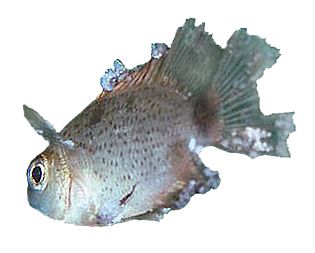
* Whitish patches or irregular growths on the fish most commonly on the tail and fins. These start as white pin-prick like growths on their fins or epidermis. In the early stages Lymphocystis is often mistaken for Ich (Ichthyophthirius multifiliis). It soon clumps together to form a cauliflower-like growth on the skin, mouth, fins, and occasional gills
* These eventually become quite large and give rise to the name Cauliflower Disease.
As noted: unless the fish is already very "compromised", Lymphocystis is not a fish disease that kills. Generally a healthy fish will over come the infection just as humans over come the common cold.
Usnea baths along with AAP Wonder Shells & StressGuard are your best treatments (along with maintaining optimum water conditions and regular water changes).
The use of true level one UV Sterilization often prevents this malady and should be used anyway by any serious aquarium keeper.
Reference: Aquarium UV Sterilization
More about Lymphocystis: University of FLorida; Lymphocystis Disease in Fish
Back to Usnea, this remedy is still in the testing phase, but early results when used in a "Fish Bath" are promising.
The Usnea Lichen is proving to be the most effective natural remedy early in my testing.
This lichen is boiled like a tea then added to a fish bath or occasionally directly to the aquarium.
The only dangers that have been established (in human studies) are in rare cases liver damage, which would make this a poor choice for dropsy.
Also use caution in Marine Treatment with sensitive invertebrates such as hard coral and cephalopods.
DOSAGE: None established yet. I boil one small sprig in 6 oz. of water.
Use 1 tablespoon per 6 oz. of this preparation for a 1 quart bath. Or add this 6 oz of "tea" to every 10-20 gallons of water every day until cure is effective plus an additional 2 days.
For my full article about Usnea, please visit this link:
USNEA; Using usnic acid as a fish remedy
* Whitish patches or irregular growths on the fish most commonly on the tail and fins. These start as white pin-prick like growths on their fins or epidermis. In the early stages Lymphocystis is often mistaken for Ich (Ichthyophthirius multifiliis). It soon clumps together to form a cauliflower-like growth on the skin, mouth, fins, and occasional gills
* These eventually become quite large and give rise to the name Cauliflower Disease.
As noted: unless the fish is already very "compromised", Lymphocystis is not a fish disease that kills. Generally a healthy fish will over come the infection just as humans over come the common cold.
Usnea baths along with AAP Wonder Shells & StressGuard are your best treatments (along with maintaining optimum water conditions and regular water changes).
The use of true level one UV Sterilization often prevents this malady and should be used anyway by any serious aquarium keeper.
Reference: Aquarium UV Sterilization
More about Lymphocystis: University of FLorida; Lymphocystis Disease in Fish
Back to Usnea, this remedy is still in the testing phase, but early results when used in a "Fish Bath" are promising.
The Usnea Lichen is proving to be the most effective natural remedy early in my testing.
This lichen is boiled like a tea then added to a fish bath or occasionally directly to the aquarium.
The only dangers that have been established (in human studies) are in rare cases liver damage, which would make this a poor choice for dropsy.
Also use caution in Marine Treatment with sensitive invertebrates such as hard coral and cephalopods.
DOSAGE: None established yet. I boil one small sprig in 6 oz. of water.
Use 1 tablespoon per 6 oz. of this preparation for a 1 quart bath. Or add this 6 oz of "tea" to every 10-20 gallons of water every day until cure is effective plus an additional 2 days.
For my full article about Usnea, please visit this link:
USNEA; Using usnic acid as a fish remedy
Others such as Microbe-Lift Herbtana
There are many other organic/natural treatments coming into the aquarium/pond keeping marketplace.
Many unfortunately do not have much testing and worse do not list ingredients which then leaves questions as to whether any claimed effectiveness is simply the placebo effect or real.
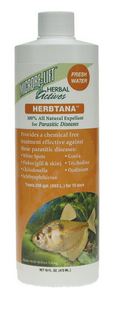
Microbe-Lift's Herbtana is a good example of such a product that has little or no controlled testing and no published ingredients, but has some positive anecdotal reviews.
Since this product claims improved immune function, I would have to ask how?
Since it actually lowers Redox Balance being an acid and oxidizer (thus adding to oxidative stress), it is impossible to improve immunity since it is a proven fact (including well funded human studies) that a healthy body is alkaline, not acid with a more reducing Redox.
From Microbe-Lifts own website:
Will help boost the natural immune system of the fish with no risk of building up future resistance as can occur when antibiotics are used"
This is simply impossible based on what we already know about this product and Redox
The fact this product is sold at discounters including Amazon, not professional aquarium supply companies does not lend itself to credibility when anecdotal reviews and lack of published ingredients are all factored in.
While I would not write off this product as there may may be other modes of operation other than immune system improvement, I will have to say for now that many controlled tests support products such as Herbal Ich Attack with its known ingredients as well as the even more 100s of tests supporting the use of Wonder Shells and Medicated Wonder Shells for both immune improvement and disease prevention (also with KNOWN proven ingredients).
Microbe-Lift needs to "step up to the plate" and publish their ingredients if they want this product to be taken seriously by professionals, rather than simply selling via discounters.
Product Resource:
Wonder Shells; Regular and Medicated, only at AAP
Many unfortunately do not have much testing and worse do not list ingredients which then leaves questions as to whether any claimed effectiveness is simply the placebo effect or real.
Microbe-Lift's Herbtana is a good example of such a product that has little or no controlled testing and no published ingredients, but has some positive anecdotal reviews.
Since this product claims improved immune function, I would have to ask how?
Since it actually lowers Redox Balance being an acid and oxidizer (thus adding to oxidative stress), it is impossible to improve immunity since it is a proven fact (including well funded human studies) that a healthy body is alkaline, not acid with a more reducing Redox.
From Microbe-Lifts own website:
Will help boost the natural immune system of the fish with no risk of building up future resistance as can occur when antibiotics are used"
This is simply impossible based on what we already know about this product and Redox
The fact this product is sold at discounters including Amazon, not professional aquarium supply companies does not lend itself to credibility when anecdotal reviews and lack of published ingredients are all factored in.
While I would not write off this product as there may may be other modes of operation other than immune system improvement, I will have to say for now that many controlled tests support products such as Herbal Ich Attack with its known ingredients as well as the even more 100s of tests supporting the use of Wonder Shells and Medicated Wonder Shells for both immune improvement and disease prevention (also with KNOWN proven ingredients).
Microbe-Lift needs to "step up to the plate" and publish their ingredients if they want this product to be taken seriously by professionals, rather than simply selling via discounters.
Product Resource:
Wonder Shells; Regular and Medicated, only at AAP